Wedding flowers for Primrose Hill ceremonies
Posted on 02/10/2026
Planning Wedding flowers for Primrose Hill ceremonies is one of those details that looks simple from the outside and then suddenly becomes the thing holding the whole day together. The right flowers don't just decorate a space. They soften a room, frame the vows, guide the eye in photographs, and quietly say, yes, this ceremony was thought through.
Primrose Hill has a very particular feel about it. It is polished, leafy, and elegant without trying too hard. That matters. A ceremony here usually benefits from flowers that feel considered rather than overworked - refined shapes, good colour balance, and arrangements that suit both intimate venues and larger celebrations. In this guide, we'll walk through what works, what to avoid, how to plan sensibly, and how to make your wedding flowers feel like they belong in the setting, not just near it.
Whether you want classic white roses, a romantic pastel palette, or something a little more modern and sculptural, the details below will help you make confident choices. And let's face it, weddings already come with enough moving parts.
- Why Primrose Hill wedding flowers matter
- How the flower planning process works
- Key benefits and practical advantages
- Who this is for and when it makes sense
- Step-by-step guidance
- Expert tips for better results
- Common mistakes to avoid
- Tools, resources and recommendations
- Law, compliance, standards, or best practice
- Options and comparison
- Case study or real-world example
- Practical checklist
- Conclusion
- Frequently asked questions
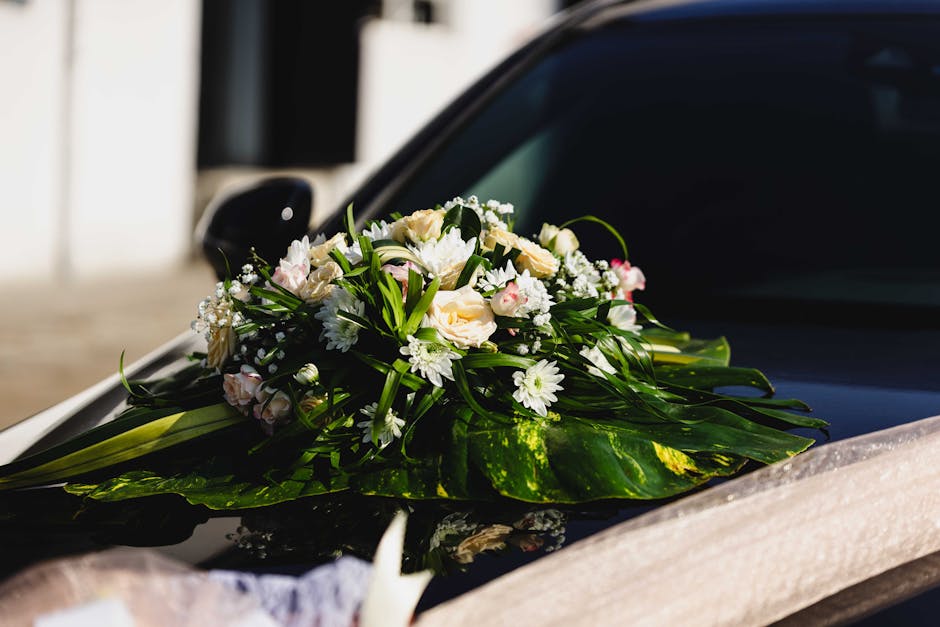
Why Wedding flowers for Primrose Hill ceremonies Matters
Flowers shape the mood of a ceremony in a way that few other details can. In Primrose Hill, where settings often lean elegant, calm, and a bit design-conscious, your flowers need to do more than look pretty in isolation. They need to work with the surroundings. A soft arch in blush and ivory can feel quietly luxurious. A bright, mixed palette can feel joyful and spontaneous. Both can work - but only if they suit the venue, the season, and the pace of the day.
There's also the practical side. Weddings in London often involve tighter loading windows, limited storage space, staircases, unpredictable weather, and not much room for error. Flowers have to arrive fresh, be set up quickly, and hold their shape through the ceremony itself. If you've ever watched a bouquet start to droop in a warm room after transport, you'll know the feeling. Not ideal.
Primrose Hill ceremonies are especially sensitive to style balance. The area has a refined atmosphere, but not one that demands stiffness. That gives you room to be creative, but also means the arrangement should feel intentional. The best wedding florals here usually combine:
- clear colour discipline
- good structure and proportion
- fresh seasonal flowers
- practical designs that travel well
- styling that complements the venue rather than overpowering it
In other words, the flowers are not just decoration. They are part of the ceremony language. They set expectations before anyone has even said a word.
How Wedding flowers for Primrose Hill ceremonies Works
Good wedding floristry starts with the ceremony format. A small registrant-style gathering, a church service, and a private venue reception all need slightly different floral thinking. Before anything is ordered, you usually want to work out what the flowers need to do, where they need to sit, and how long they need to last.
For Primrose Hill ceremonies, the process often looks like this:
- Define the floral priorities. Decide whether the focus is the bouquet, the aisle, the altar area, table arrangements, or the whole ceremony space.
- Match the style to the venue. A contemporary room may suit clean lines and compact forms. A more traditional setting can handle fuller, layered designs.
- Choose a seasonal palette. Seasonal flowers are usually fresher, easier to source, and more coherent visually. They also tend to make planning simpler.
- Plan the key pieces first. Bridal bouquet, bridesmaid bouquets, buttonholes, and any ceremony focal point usually come before extras.
- Check delivery and setup timing. In London, timing matters more than people expect. A bouquet can be ready early; large arrangements may need a later delivery window.
- Build in flexibility. It is sensible to allow for substitutions if a flower is unavailable. That is not a compromise. It is normal florist practice.
A lot of couples get caught up in the romantic side - which, to be fair, is half the fun - and forget the operational side. But flowers are logistics as much as they are aesthetics. A beautiful ceremony flower plan is one that survives the journey as well as the photographs.
If you are looking for wedding-specific arrangements, it helps to browse focused options such as wedding collections, bridal bouquets, and buttonholes so you can see how the styles work together.
Key Benefits and Practical Advantages
Well-chosen wedding flowers offer more than visual beauty. The right plan solves several problems at once, which is why experienced couples and planners treat florals as a strategic part of the day, not an afterthought.
| Floral choice | What it helps with | Best for | Potential trade-off |
|---|---|---|---|
| Classic whites and greens | Timeless look, easy coordination, calm atmosphere | Traditional or elegant Primrose Hill ceremonies | Can feel restrained if you want bold drama |
| Pastel mixes | Soft romantic feel, flattering in photos | Spring and summer weddings | Needs careful blending to avoid looking washed out |
| Rich jewel tones | Strong visual impact, depth, warmth | Autumn ceremonies or evening events | Can overpower a smaller room if overused |
| Minimal sculptural designs | Modern style, clean photography, less clutter | Contemporary venues and design-led couples | Requires precision; sparse arrangements can look accidental if underdone |
There are also practical advantages that people often underestimate:
- Better photos. Flowers create foreground, depth, and colour in a way that makes ceremony images feel complete.
- Stronger venue cohesion. A few well-planned arrangements can make a mixed space feel pulled together.
- Less stress on the day. If the floral plan is clear, setup tends to be calmer and faster.
- More personal atmosphere. The right flowers can reflect family meaning, season, or shared taste without saying a word out loud.
One small but important point: a good florist will often suggest fewer, better-placed arrangements instead of trying to cover every surface. That can feel counterintuitive if you love flowers, but in reality, restraint often looks more expensive. Strange, but true.
For couples who want a cohesive wedding look, options like bridesmaid bouquets and wedding corsages can help keep the palette consistent across the whole party.
Who This Is For and When It Makes Sense
Wedding flowers for Primrose Hill ceremonies make sense for anyone who wants the event to feel polished, harmonious, and memorable. That sounds broad, because it is. But the detail matters.
This approach is especially useful if you are:
- planning a ceremony in a stylish London venue and want flowers that respect the setting
- choosing a small guest count but still want the room to feel special
- working with a modest budget and want flowers that have visible impact
- trying to coordinate multiple wedding elements without visual chaos
- keen on seasonal flowers and a less wasteful, more thoughtful setup
It also makes sense when you are not yet sure of the exact style. A florist can help translate "soft, elegant, not too fussy" into something real. That phrase comes up all the time, by the way. Not too fussy. Very British. Very helpful. Also very open to interpretation, which is why examples matter.
You may want to keep the design simple if the ceremony already has a strong architectural backdrop. On the other hand, if the venue is plain or minimal, flowers may need to do a bit more of the visual lifting. That is not a problem - it is just a different brief.
In some cases, couples also use a wedding flower order to double as gifting or after-ceremony reuse, for example moving arrangements from ceremony to dinner, or giving bouquets to family members at the end. Practical and lovely. Best of both worlds, really.
Step-by-Step Guidance
Here is a straightforward way to plan flowers without getting overwhelmed. Not glamorous, but effective.
- Start with the venue. Ask yourself what the space already gives you: light, texture, colour, height, or views. A Primrose Hill room may not need much if it already has character.
- Set the ceremony mood. Choose one emotional direction: romantic, modern, classic, relaxed, or luxurious. If you try to do all five, the result usually gets muddled.
- Choose a main palette. Keep it focused. Two or three tones usually work better than seven.
- Pick hero flowers and support flowers. Roses, orchids, lilies, lisianthus, and hydrangeas are all common wedding favourites, but they play different roles. Hero flowers create the main impression; support flowers fill and soften.
- Map the flower pieces by priority. Most couples start with the bridal bouquet, then buttonholes, then bridesmaid bouquets, then ceremony arrangements, then table flowers.
- Confirm transport and setup. Ask how the flowers will be packed, who will place them, and whether there is a backup plan if traffic slows everything down. London traffic. Enough said.
- Review substitutions and care. Good florists will explain what may change if certain blooms are unavailable, and how the flowers should be stored before the ceremony.
As a general rule, it helps to keep the most photographed items most refined. The bouquet, in particular, should feel balanced from every angle. There is nothing worse than a bouquet that looks beautiful from the front and a little odd from the side. It happens.
If you are comparing styles, a wedding-specific product like a white bridal bouquet or a romantic bridal bouquet can help you understand how shape, flower choice, and colour work together.
Expert Tips for Better Results
Some of the best wedding flower results come from small decisions made early. That is the honest truth. Here are the details that consistently improve the final look.
- Design for the venue light. Soft natural daylight loves pale petals and subtle texture. Warm indoor lighting can make richer tones feel more flattering.
- Use repetition wisely. Repeating a few flower types across the bouquet, ceremony flowers, and table pieces creates coherence without looking rigid.
- Be realistic about weather. If your ceremony involves travel, stairs, or a warm room, avoid overly delicate blooms unless your florist can manage them carefully.
- Choose flowers that open well. Some flowers arrive tight and bloom beautifully. Others may look best on arrival. Your florist should know the difference.
- Think in photographs, not just in vases. A flower arrangement should work from the camera angle guests will actually see.
- Keep one element special. If everything is highly decorative, nothing stands out. One focal point - the bouquet, a ceremony meadow, or an aisle arrangement - usually gives the whole design more confidence.
Sometimes the smartest thing you can do is leave a little breathing room. Flowers need space. So do people, especially during a ceremony when everyone is shuffling, smiling, and trying not to step on the train. A cleaner layout often feels calmer in person than an overly packed one.
For a more coordinated wedding look, it can help to pair the bouquet design with a matching table arrangement or a small accent piece such as a groom buttonhole.
Common Mistakes to Avoid
Wedding flower mistakes are rarely dramatic, but they do have a way of showing up in the photos or making the day feel a little less smooth than it should. These are the ones worth avoiding.
- Choosing flowers without thinking about the setting. A style that works in one venue may look out of place in another.
- Over-ordering arrangements. More flowers do not automatically mean better design. Sometimes it just means more clutter.
- Ignoring transport needs. Delicate flowers need careful handling, especially if they are travelling across London.
- Leaving decisions too late. The best designs need time, especially if specific varieties are required.
- Forgetting buttonholes and bridal party flowers. These smaller items help the whole day feel coordinated. People notice, even if they don't say it.
- Not checking what happens after the ceremony. Can arrangements be reused? Will the flowers be packed away? Who keeps the bouquet?
One common issue is trying to force a trend into a setting that wants something more classic. Truffle-toned flowers, wild meadow styling, ultra-minimal lines - all lovely in the right context. But Primrose Hill ceremonies often reward balance and elegance more than novelty for novelty's sake. That said, a contemporary edge can work beautifully if it is handled with restraint.
Tools, Resources and Recommendations
You do not need a box of professional equipment to plan wedding flowers well, but a few practical tools make the process much easier.
- Mood board or image folder. Keep a small collection of looks you genuinely like, not just random flowers you found while browsing.
- Venue measurements or photos. Even rough dimensions help a florist suggest the right scale.
- Guest and party list. Useful for buttonholes, corsages, bridesmaid bouquets, and any special family flowers.
- Colour reference. If your dress, suit, linens, or stationery have a particular tone, share that early.
- Timing plan. A simple schedule for delivery, setup, and ceremony start avoids last-minute scramble.
For inspiration, a product range with wedding-focused options can be a useful starting point. Browsing wedding flowers alongside a white wedding collection or a more regal wedding collection can help you compare the overall mood rather than just single stems.
If you want a broader visual style, categories like luxury flowers and best sellers can also help you see what tends to work well in real life, not just on a mood board.
And if you are the sort of person who likes to keep things practical, good flower care advice matters too. Even small details like keeping stems hydrated and away from direct heat can make a noticeable difference. No magic, just good handling.
Law, Compliance, Standards, or Best Practice
For wedding flowers, the main compliance concerns are usually practical rather than legal. That said, good practice still matters, especially in London venues where access, waste handling, and set-up timing can be sensitive.
Here are the main considerations to keep in mind:
- Venue rules. Many ceremony locations have their own requirements about candles, adhesives, wet foam, installation timing, and clean-up. Always check with the venue before finalising floral structures.
- Access and delivery. If there are narrow entrances, stairs, restricted loading areas, or strict delivery windows, the florist should know in advance.
- Allergy awareness. Some flowers have stronger scent or pollen than others. If guests are sensitive, it may be wise to avoid overly perfumed blooms in enclosed spaces.
- Waste and reuse. Best practice is to plan ahead for flowers after the ceremony. Can they move to the reception? Will family take them home? Can they be donated if appropriate?
- Sustainable sourcing. Where possible, seasonal and responsibly sourced flowers reduce waste and often look more natural too.
There is also a basic professional standard that sensible florists follow: clear communication, realistic timing, and an honest explanation of what can and cannot be guaranteed. If someone promises a very specific bloom months in advance without mentioning seasonal uncertainty, be a little cautious. Not alarmed. Just cautious.
For broader reassurance, a business should also make its policies easy to find - things like delivery information, returns guidance, sustainability commitments, and contact details. Those are trust signals, even if they sit behind the scenes rather than in the bouquet itself.
Options, Methods, or Comparison Table
If you are deciding how to approach your ceremony flowers, it helps to compare the main styles side by side. There is no single right answer. There is only what fits your venue, your budget, and the feeling you want on the day.
| Approach | What it looks like | Pros | Things to watch |
|---|---|---|---|
| Classic romantic | Roses, soft tones, rounded shapes, elegant finishing | Timeless, flattering, easy to coordinate | Can feel predictable if not personalised |
| Modern minimal | Fewer stems, clean lines, structured placement | Smart, contemporary, uncluttered | Needs precision to avoid looking sparse |
| Seasonal natural | Mixed flowers and textures that reflect the season | Fresh, relaxed, often good value | Palette can feel busy if not edited well |
| Luxury statement | Large-scale arrangements with standout blooms | High impact, memorable, photographically strong | Requires more budget and a venue that can carry it |
A couple may also decide whether to buy each item individually or choose a curated collection. If you want an easier route, a coordinated wedding set such as a wedding collection or a curated bridal collection can simplify the decision-making and keep the look consistent.
Truth be told, many couples end up happiest with a hybrid approach: one or two standout pieces, plus smaller supporting flowers. That tends to feel polished without being overdone.
Case Study or Real-World Example
Here's a realistic example of how a Primrose Hill ceremony might be styled. Imagine a late spring civil ceremony for around 30 guests. The couple want the room to feel calm, bright, and slightly romantic, but not sugary. They like flowers, but they do not want the space to look like a greenhouse exploded.
The florist might suggest a bouquet-led plan with:
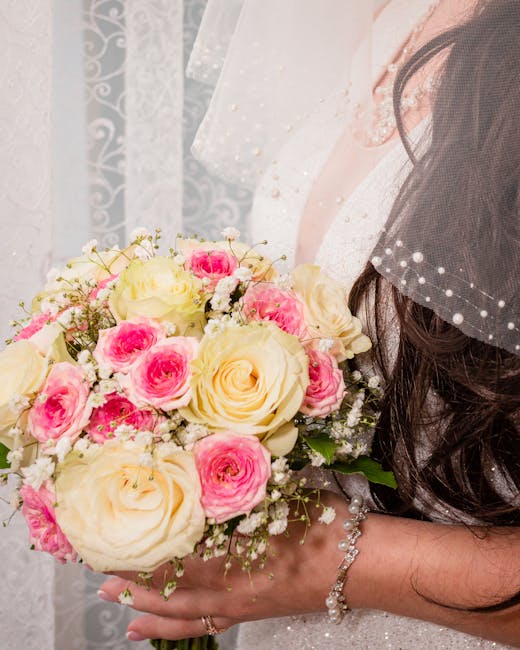
- a bridal bouquet in white and soft blush tones
- two bridesmaid bouquets that echo the same palette, but in smaller scale
- groom and attendant buttonholes using one repeated bloom
- a ceremony focal arrangement near the signing table or altar
- small table flowers that can move from ceremony to dinner
In this kind of setup, the flowers do two jobs. They give the ceremony a sense of occasion, and they help the photographs look cohesive. The most successful result is usually not the largest one. It is the one where the couple's style feels obvious the moment you walk in.
A tiny detail makes a difference here: the bouquet ribbon. A well-chosen ribbon can pull the colour scheme together and make the bouquet feel finished. It sounds minor, but it absolutely is not.
Another useful habit is to keep one or two stem choices consistent across all floral pieces. That might be a rose, lisianthus, or orchid. Repetition makes the design look intentional, and that's often what separates "nice flowers" from "a properly styled wedding."
Practical Checklist
Use this before you finalise your wedding flower plan. A quick checklist now can save a surprisingly large amount of scrambling later.
- Have you confirmed the ceremony venue rules for deliveries and floral setup?
- Do you know the ceremony start time and exact delivery window?
- Have you chosen a colour palette that suits the venue and season?
- Have you decided on the most important floral pieces first?
- Do the bouquets work with the dress, suits, and overall styling?
- Have you planned for buttonholes, corsages, and any family flowers?
- Are there any scent or allergy concerns to think about?
- Have you checked whether ceremony flowers can be reused afterwards?
- Do you have a backup plan for weather or transport delays?
- Have you reviewed substitutions in case a flower is unavailable?
Expert summary: the best wedding flowers for Primrose Hill ceremonies are usually the ones that look effortless because they were planned properly. Keep the palette focused, respect the venue, and let the flowers support the ceremony rather than compete with it. Simple idea. Big difference.
For couples who want to keep a consistent gift or guest experience around the day, pieces like wedding gifts can also fit neatly into the wider celebration plan.
Conclusion
Wedding flowers for Primrose Hill ceremonies work best when they are thoughtful, balanced, and grounded in the setting. The area has enough elegance already. Your flowers do not need to shout. They need to belong, to lift the room, and to make the ceremony feel like yours.
Whether you lean towards classic white roses, soft seasonal mixes, or something more sculptural, the real win is a plan that feels calm on the day and beautiful in the photos afterwards. That is the sweet spot. Not too rigid, not too chaotic, just right.
If you are still narrowing down your style, start with the bouquet, then build outward. It is a much easier path than trying to decorate everything at once, and frankly, weddings have enough decisions already.
Get a free quote today and see how much you can save.
In the end, the best flowers are the ones that let the moment breathe. That little pause before the vows? Flowers can hold it beautifully.
Frequently Asked Questions
What flowers work best for Primrose Hill wedding ceremonies?
Soft romantic flowers, elegant roses, orchids, lisianthus, hydrangeas, and seasonal mixed blooms all work well. The best choice depends on the venue style, season, and whether you want a classic, modern, or natural look.
How far in advance should I book wedding flowers?
It is sensible to book as early as you can, especially if you want a specific style or seasonally popular flowers. Early planning also gives more time to refine the palette and coordinate the bouquet with the rest of the day.
Can wedding flowers be reused after the ceremony?
Yes, often they can. Many ceremony arrangements can be moved to the reception, used for dinner tables, or taken home by family members. It is worth asking about reuse during the planning stage.
Should the bridal bouquet match the bridesmaid bouquets exactly?
Not necessarily. They should feel related, but the bridal bouquet is often slightly fuller, more detailed, or designed as the main focal point. Matching too closely can make the whole party look flat.
What if a flower I love is out of season?
A good florist will suggest similar alternatives that give a comparable look and feel. Sometimes the substitute ends up being the better choice anyway, because seasonal flowers usually travel and open more reliably.
Are white flowers a good choice for Primrose Hill weddings?
Yes. White flowers suit the refined, elegant feel many couples want in this area. They also photograph well and pair easily with greenery, blush tones, gold accents, or darker formalwear.
How do I keep wedding flowers from looking too formal?
Add texture, vary stem heights gently, and include softer blooms or looser shapes. A little movement in the design helps, even in a more polished ceremony setting.
What are the biggest mistakes couples make with wedding flowers?
The most common mistakes are ignoring venue scale, ordering too many unrelated styles, leaving decisions too late, and forgetting smaller pieces like buttonholes or corsages. Another one is not planning for transport and setup properly.
Do I need flowers for a small ceremony?
Not always, but even a small ceremony often benefits from one or two thoughtful floral features. A bouquet, a buttonhole, and a single focal arrangement can transform a modest room very effectively.
How can I make my wedding flowers feel more personal?
Choose flowers linked to a memory, season, or family preference, or use a colour that appears in your story together. Personalisation does not have to be loud. Sometimes a single bloom or ribbon choice says plenty.
What should I ask a florist before booking?
Ask about seasonal availability, delivery timing, setup support, substitutions, venue restrictions, and whether arrangements can be repurposed after the ceremony. Those answers tell you a lot about how smoothly the day is likely to run.
Are luxury wedding flowers always the better option?
No. Luxury flowers can be stunning, but the best choice is the one that suits your venue, budget, and style. A smaller, well-edited design often looks more polished than a larger one that feels unfocused.


